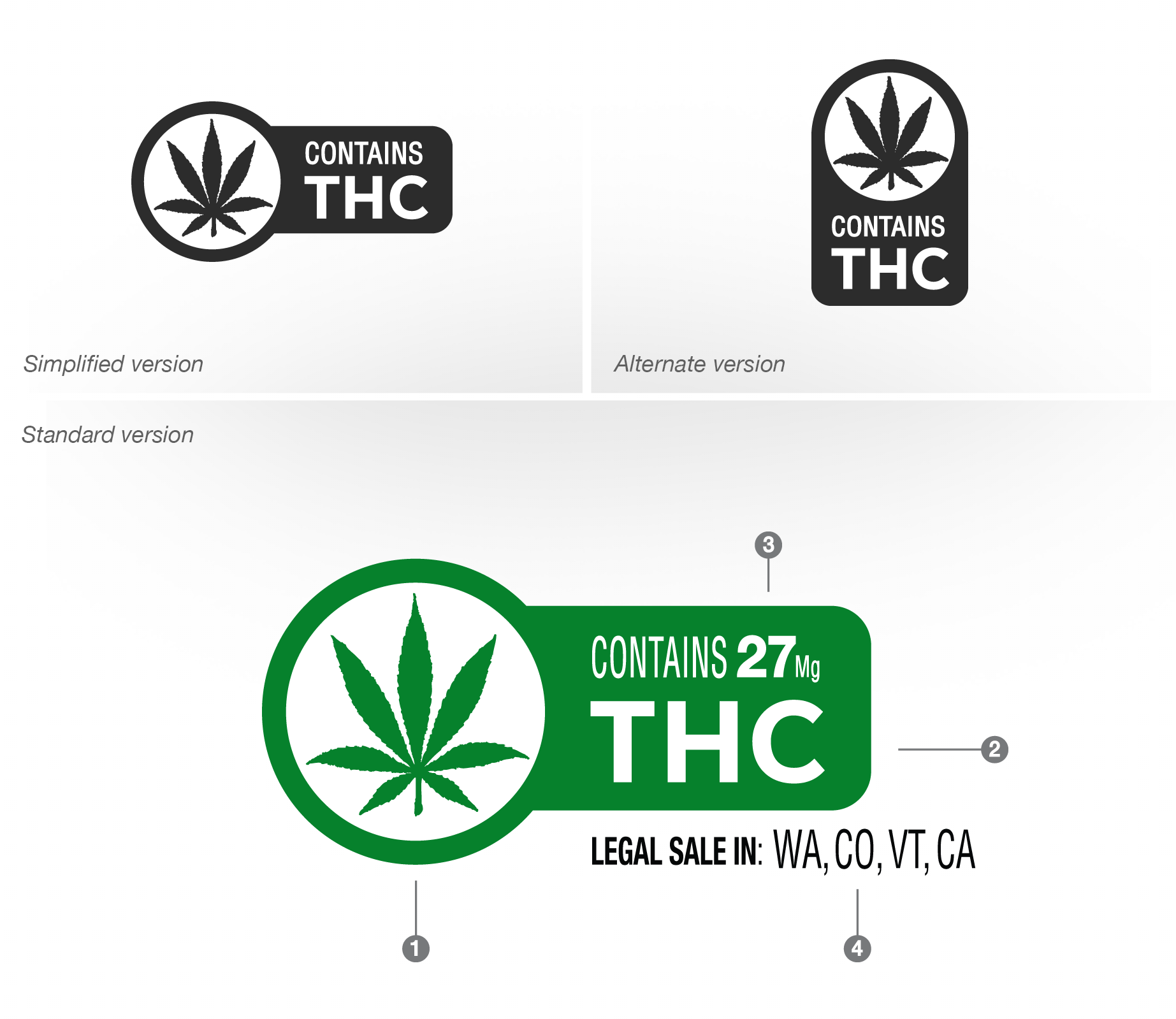
A standardized system for labeling food and beverage products containing THC.

The Purpose

  • Avoid consumer confusion
  • Aid in preventing underage consumption
  • Eliminate unintentional consumption
  • Provide accurate concentration level

What is THC?

Tetrahydrocannabinol (THC) is the primary psychoactive compound found in the cannabis plant, commonly known as marijuana. Put simply, THC is the part of marijuana that makes you feel “high.”


Marijuana-infused products

When “marijuana-infused” products are prepared, the THC is extracted from the plant (typically in liquid form) and used as an additive in food and beverages. Popular products made with THC include juices, soda, candy, cookies, granola bars, cakes and other various baked goods.
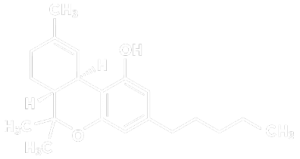
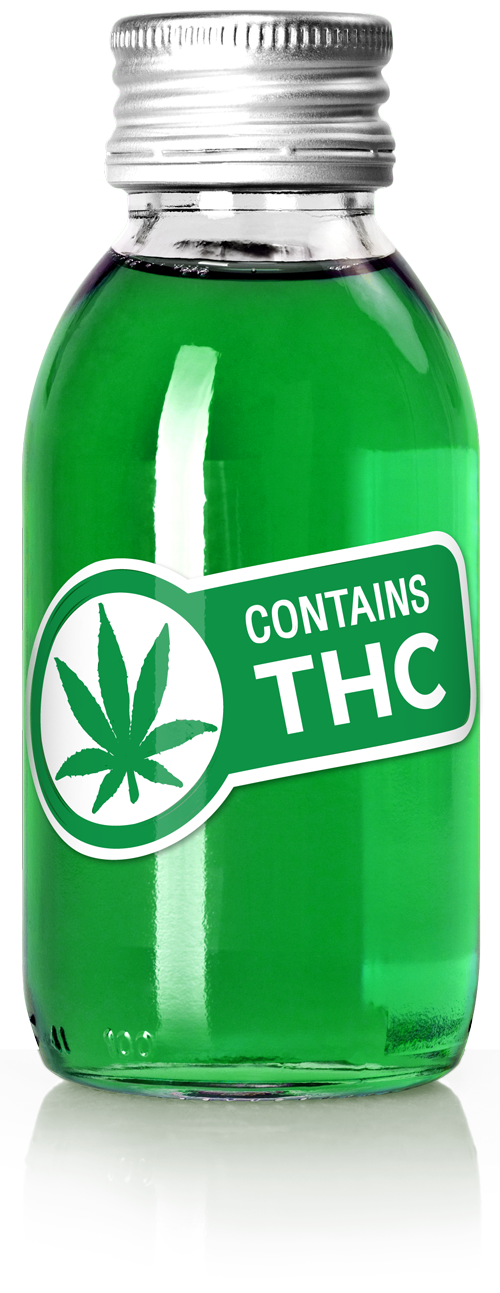
THC molecule diagram Contains THC bottle
THE PROBLEM:

Because marijuana remains illegal on a federal level, individual states must develop and enforce their own rules for the labeling and packaging of marijuana and marijuana goods. Which means…


There are no official standards for labeling products that are made with marijuana.

Cause for Concern

The greatest concern is that the packaging for “marijuana-infused” products is indistinguishable from everyday goods. Although these products are only available  in licensed shops to customers who are at least 18 years old and/or possess a medical card, once these products leave their retail environment they appear to be harmless, fun, and trendy. This has led to many cases of mistaken or unintentional use, and perpetuates underage consumption.


Because the requirements for labeling and packaging “marijuana-infused” products varies from state-to-state– the content, warning, and dosing information ranges from confusing and discrete to nonexistent. Most states require the listing of marijuana in the ingredients, and in some cases, the measurement of dry herb used to create each product. In actuality, the amount of THC extracted from the dry herb is a more accurate depiction of the strength/content.
The levels of THC fluctuate depending on the strain and potency of the marijuana. The method of extraction will also yield various results. Listing the measurement of THC, rather than dry herb, will provide consumers with a better understanding of the product’s effect.  Products that contain THC, or any type of mind-altering substance, should be clearly labeled and easily recognizable by the general public.

Retail Products

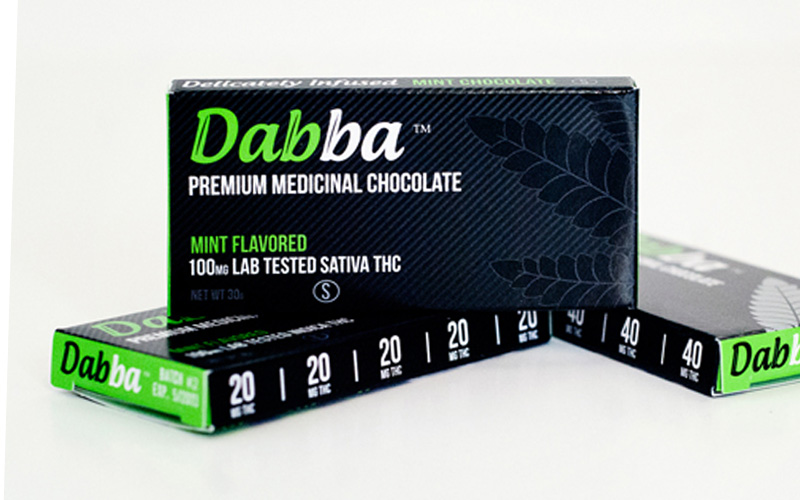
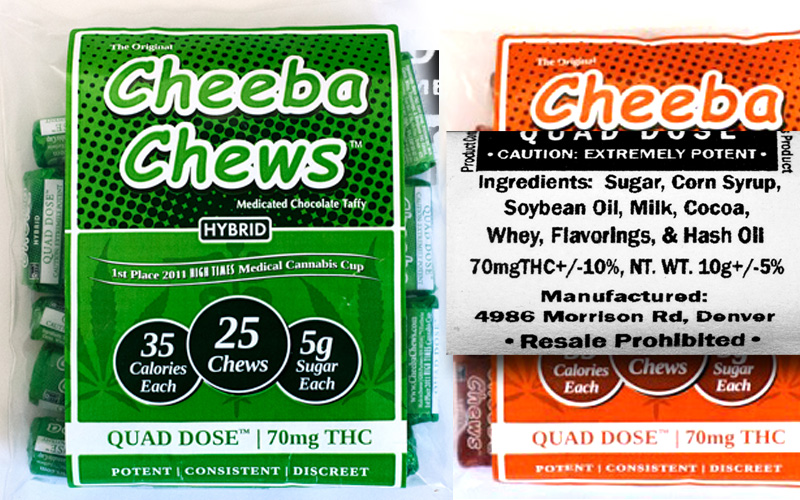
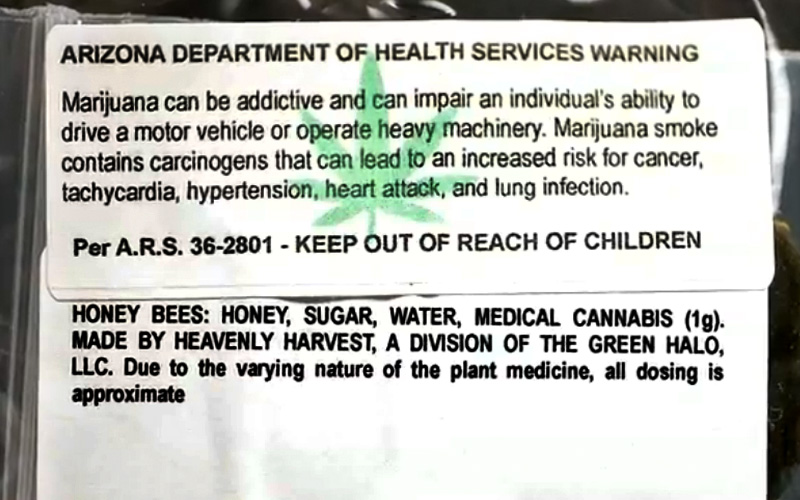
To the right are examples of popular products that contain THC, accompanied by the information found on their labels. The content and available information vary in prominence and placement.
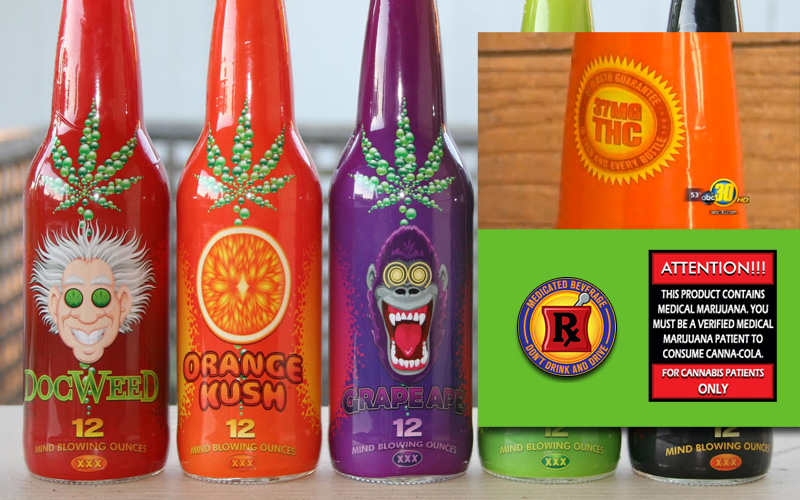
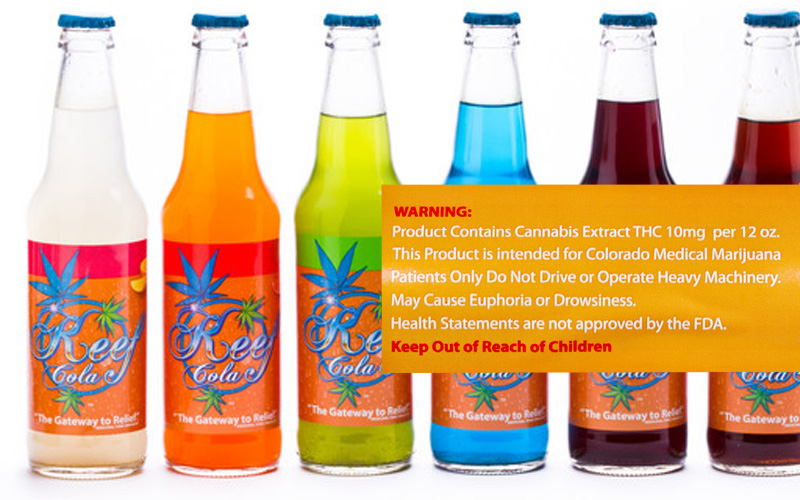
 

Click on a slide to view larger.

THE SOLUTION:

An iconic system identifiable to the general public that provides necessary product content information.

THE system:
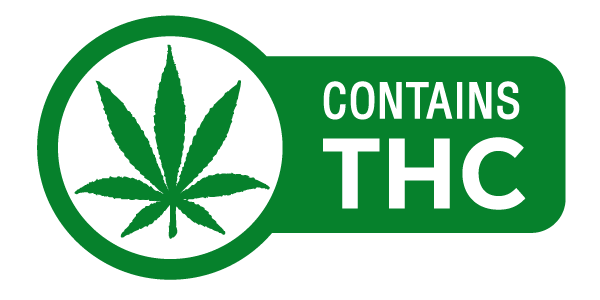
In simplified form, this system clearly labels products that contain THC. Additionally, this system could be accompanied by the measurement of THC per product and the state(s) in which it is legal for retail sale.
ctch-lrg
system_layout-c

Specifications

  • One color or black/white
  • Horizontal or vertical layout
  • Expandable to include detailed information

System elements

  1. Universally recognized symbol
  2. Clear communication of contents
  3. Measurement of concentration
  4. States where product is legally sold

Application

The following graphic should be placed on the front panel of the package. It should be no smaller than 1″ wide.
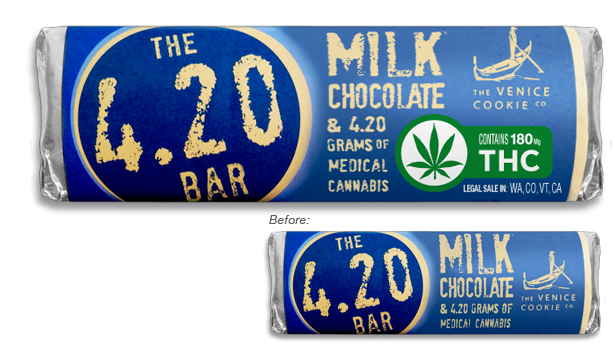
THC Choc bars
CONCLUSION

If products that contain THC display a consistent point-of-communication, the general public will be able to identify these products (inside and outside the retail environment) and consumers will be better educated on the effects.

Impact and Contact

Proposed in 2013, this project helped raise the bar for cannabis packaging and labeling at a time when standards were still forming. The work went on to inform real-world policy discussions, including use in Colorado legislation, and helped push the conversation toward clearer warnings, safer restrictions, and more responsible cannabis packaging.

As of 2020, many states have adopted stronger standards, and this initiative is no longer actively maintained. We’re leaving this page live as an archive and a reminder of how design can shape safety in fast-growing industries.

We no longer host public comments or feedback, but you’re always welcome to reach out here.